
Urgent Communication in High Risk Situations Workshop for Nursing Staff
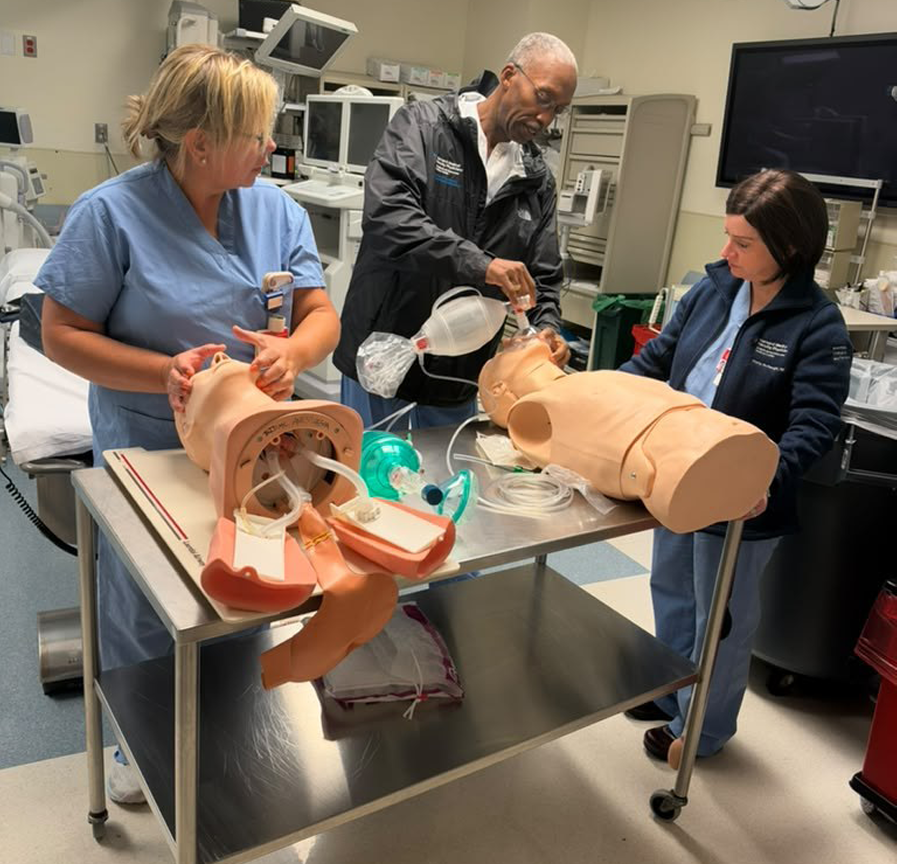
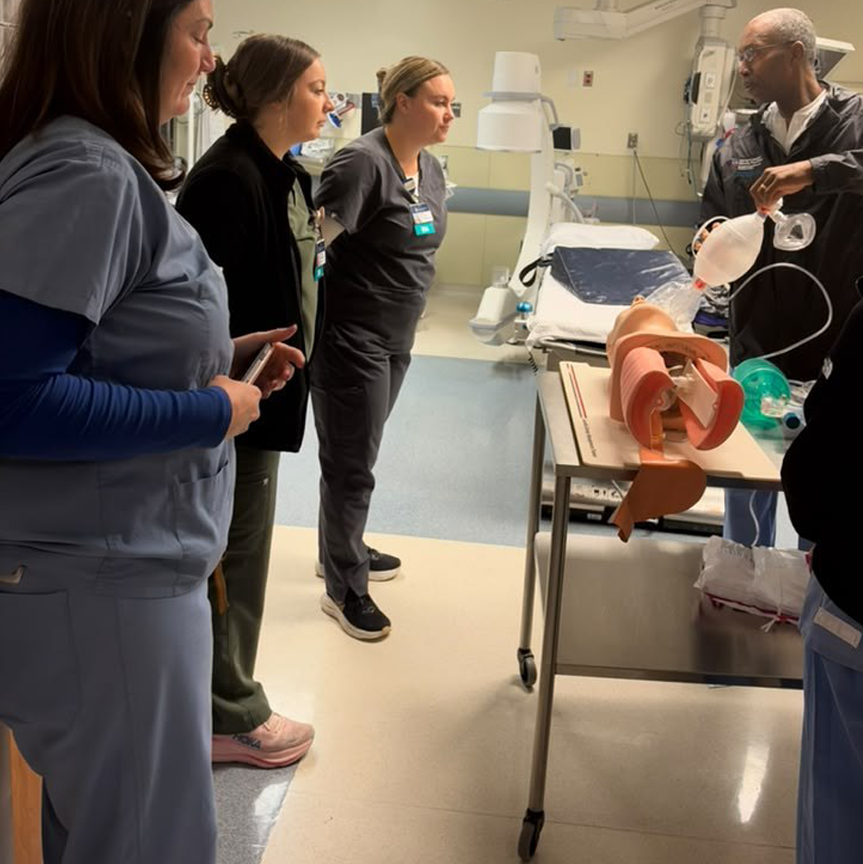
Our department recently hosted a live workshop for certified registered nurse anesthetists (CRNAs) and nursing staff on urgent communication in high-risk clinical situations. In these moments, physicians are often making rapid, high-stakes decisions, and the ability of every team member to communicate concerns clearly and promptly is important.
Adverse events can occur when communication breaks down. This multidisciplinary workshop aimed to identify gaps in communication and strengthen communication skills in high-risk situations.
Participants reported feeling more confident in voicing concerns and seeking input from colleagues in a constructive and respectful way. Empowering each member of staff strengthens relationships, improves communication, and reinforces a culture of safety across the department.
When Communication Breaks Down: Understanding the Human Factors Behind Patient Safety
Communication failures rarely occur in isolation. During time-critical decision-making and high-risk clinical situations, staff may hesitate to voice concerns or lack confidence in speaking up. It is important to identify and address the team-level factors that contribute to serious safety hazards and potentially preventable adverse events.
The Hidden Risks in the Operating Room with Communication Failure
Halverson and colleagues conducted a study examining communication failures in the operating room. They documented the types of communication errors, their subject matter, and their observed outcomes. A total of 76 communication failures were identified over 150 hours of observation.
Following the introduction of a structured team training curriculum, the rate of communication failures decreased from 0.737 to 0.270 per hour. These findings highlight the importance of clear, timely communication and structured team training in the operating room.
References
- Halverson AL, Casey JT, Andersson J, et al. Communication failure in the operating room. Surgery. 2011;149(3):305–310. doi:10.1016/j.surg.2010.07.051